Here to support you every step of the way
Have questions or need assistance? Our team is ready to help.
Talk to Our Team
Have questions or need more information? Our team is here to help.
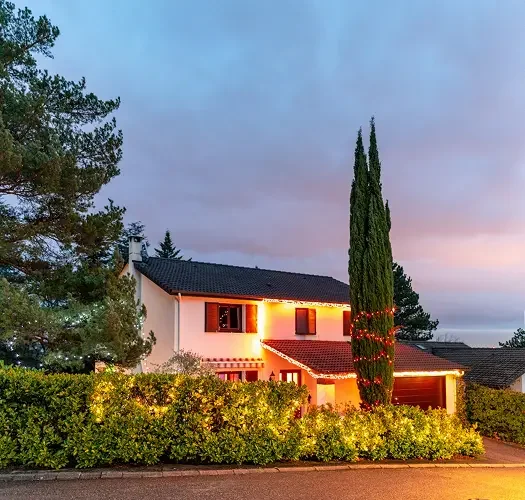
We run the numbers on both models for a typical 2-bedroom apartment in Lekki, factoring in occupancy rates, management costs, and the new short-let regulations taking effect in 2025.
A well-managed 2-bedroom apartment in Lekki Phase 1, furnished to international standard, can achieve ₦45,000–70,000 per night on platforms like Airbnb and Booking.com. At 60% occupancy — a conservative estimate for a well-reviewed property — that translates to ₦9.7M–15.1M annually. Compare this to a long-term rental income of ₦2.5M–3.5M per year for the same unit.
Short-let income looks compelling until you account for furnishing costs (₦3–6M for a quality fit-out), platform commissions (15–20%), property management fees (10–15% of revenue), higher utility costs, housekeeping, linen replacement, and the time cost of managing guest turnover. Net margins are typically 40–55% of gross revenue.
The long-term model offers predictable cashflow, lower management intensity, and reduced wear and tear. For investors who don't want to run what is effectively a hospitality business, a dependable tenant on a 12-month lease at ₦3M per year may be preferable to the higher but more volatile short-let income.
Lagos State Government is moving to formalise the short-let sector in 2025, with proposed licensing requirements and minimum standards for operators. This adds compliance costs but also professionalises the sector, which should benefit well-managed properties over time.
Published by Shugaland Editorial on June 17, 2025. For editorial enquiries contact [email protected].
Explore more resources
Read more expert guides on Nigeria real estate.
Have questions or need assistance? Our team is ready to help.
Have questions or need more information? Our team is here to help.